

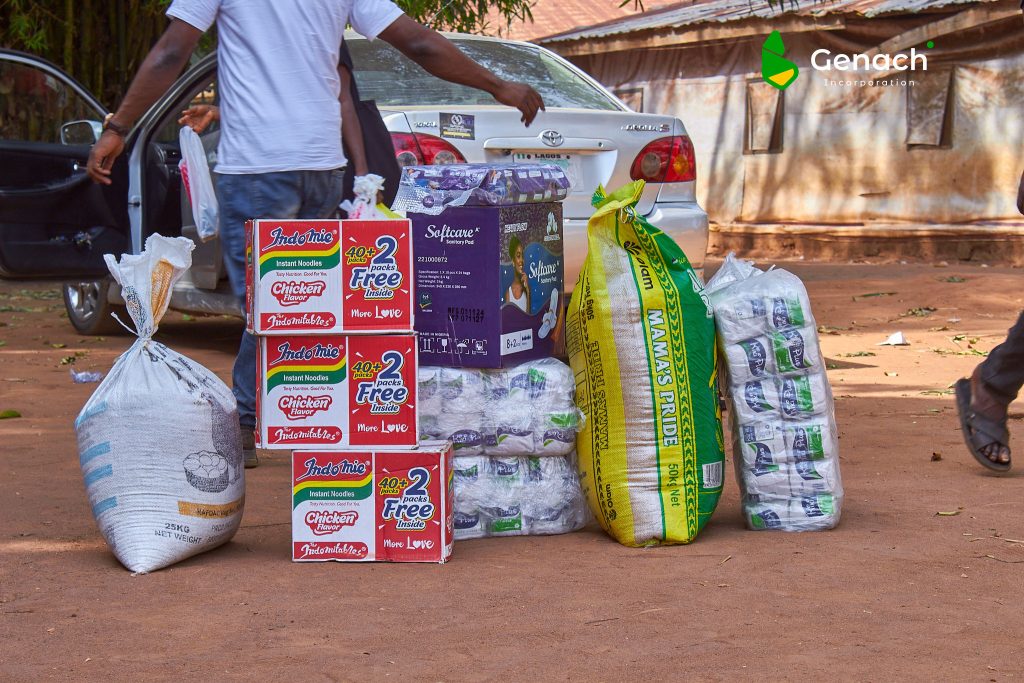
There’s always been this debate about the nature of giving, should it be something private, or should it be done out loud, visible, public?
Some people will argue, and not without reason, that the highest, purest form of charity is the one that’s done quietly, away from the eyes of applause. The kind where the giver walks away and no one but the receiver knows what just happened. There’s something deeply sacred about that. It keeps pride at bay, it protects dignity, it honors the spirit of compassion rather than the ego of the giver. It says: I’m doing this because it matters, not because I need you to notice me.
But then again, there’s the other side. The moment we live in today is hyper-connected. Social media has turned into a stage, and many times public giving is written off as nothing more than PR stunts, a way for brands or individuals to polish their image. And yes, sometimes that’s exactly what it is. We’ve all seen it: the cameras following the convoy of donations, the captions crafted for virality, the self-congratulatory tone that makes the act feel less like generosity and more like a marketing campaign. That’s where people roll their eyes and mutter: “If you really cared, you wouldn’t have announced it.”
The truth is that charity isn’t either/or. It can be quiet or loud, hidden or broadcast, sacred or strategic. What matters is that the need gets met, that someone somewhere feels the weight on their shoulders lighten because another person cared. Anonymous giving keeps our ego in check; public giving, done well, inspires a chain reaction. Both have their place, and both can change lives.
For NGOs silence is a privilege we can’t always afford. While an individual might be able to slip money into a stranger’s hand and walk away unseen, an NGO is usually accountable to something bigger than itself, donors, partners, communities, sometimes even governments. The act of making charity public is not always about self-promotion; sometimes it’s about trust, it’s about proof.
Think of it this way: if an NGO keeps everything hidden in the name of “humility,” how does anyone know the work is real? How do potential partners decide to collaborate? How do ordinary people feel safe entrusting their own money to a cause? Publicizing charity, for many organizations, is not vanity, it’s visibility. And visibility is the lifeline that allows them to raise funds, scale their work, and actually reach more people.
There’s also the cultural effect. When an NGO goes public about its giving, whether it’s building schools, providing food relief, or running medical outreaches, it does more than document the act. It reframes generosity as something collective. It reminds society that solutions don’t only live in government offices or big corporations; they can be built by communities who care enough to act. In that sense, public giving is less about showing off and more about storytelling. It says, this is what’s possible when we come together.
At Genach, we believe giving is bigger than the giver. Whether it’s done quietly or publicly, the real measure is in the lives changed and the hope restored. That’s why we keep creating spaces for people to show up, however they can, loud or silent, big or small, because every act of generosity plants something that grows. And in the end, that’s the kind of ripple worth chasing.

